



Buying a Jeep in Arkansas means choosing a vehicle that can handle changing weather, varied terrain, and long-term ownership demands. From interstate commuting and winding Ozark highways to gravel backroads and muddy trails after heavy rain, Arkansas drivers face conditions that reward capability, traction, and durability. At McLarty Daniel Chrysler Dodge Jeep Ram, shoppers often ask how different Jeep models perform in real Arkansas driving, not just on paper.
Before choosing your next Jeep, it’s important to understand how local weather patterns, terrain, and ownership costs should shape your decision. This guide breaks down the practical considerations Arkansas drivers should weigh when selecting the right Jeep model.
Arkansas Weather and Why Drivetrain Matters
Arkansas experiences frequent rain, seasonal flooding, winter ice, and hot summer temperatures. These conditions make traction, braking confidence, and drivetrain selection especially important. Many Jeep models offer available all-wheel drive or four-wheel drive systems designed to improve stability in wet or uneven conditions.
For example:
— Jeep Compass models offer available AWD with a 2.0L turbocharged engine producing up to 200 horsepower, ideal for rain-slick roads and light gravel travel
— Jeep Grand Cherokee features available Quadra-Trac and Quadra-Lift systems, improving traction and ride height in poor weather
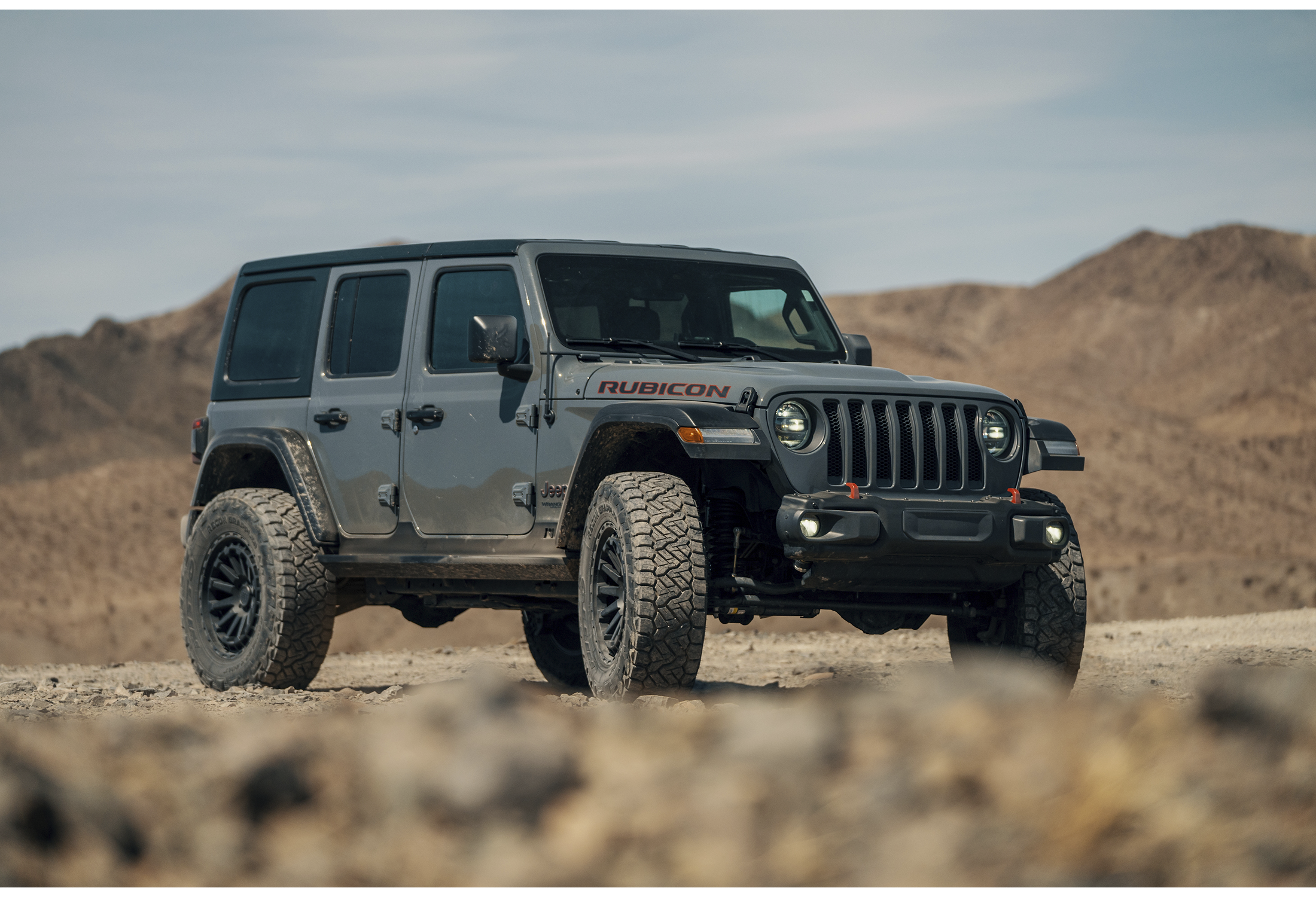
— Jeep Wrangler includes multiple 4x4 systems and high ground clearance, built for severe conditions and trail use
Drivers who primarily travel highways may not need trail-level capability, but added traction can make daily driving safer during Arkansas storms.
Matching Jeep Models to Arkansas Terrain
Arkansas terrain ranges from smooth highways to steep elevation changes and forest trails. Choosing the right Jeep depends on how often you leave paved roads.
Here’s how popular Jeep models align with local terrain:
— Jeep Grand Cherokee: A strong all-around option for Arkansas highways, rural roads, and light off-road use. Powered by a 3.6L V6 producing 293 horsepower, it balances comfort and capability.
— Jeep Wrangler: Built for rugged Ozark and Ouachita trails with solid axles, available locking differentials, and ground clearance exceeding 10 inches on select trims.
— Jeep Gladiator: Combines Wrangler capability with a pickup bed and towing capacity up to 7,700 pounds when properly equipped, useful for campers, boats, and gear.
— Jeep Compass: Compact and efficient, making it well-suited for city driving in Northwest Arkansas while still offering trail-rated trims for light adventure.
Not every Arkansas driver needs extreme off-road hardware, but ground clearance and suspension tuning can make a noticeable difference on backroads and uneven surfaces.
Fuel Economy and Powertrain Considerations
Fuel costs matter, especially for drivers commuting long distances between cities or rural areas. Jeep offers a range of powertrains to balance efficiency and performance.
Key considerations include:
— Smaller engines and turbocharged options on Compass models for improved efficiency
— V6 power in Grand Cherokee and Gladiator models for towing and highway confidence
— Hybrid and electrified Jeep options for drivers focused on reducing fuel consumption
Matching engine size and drivetrain to actual driving habits helps manage long-term ownership costs without sacrificing capability.
Maintenance and Long-Term Ownership Costs in Arkansas
Owning a Jeep in Arkansas means accounting for regular maintenance, especially if you frequently drive on gravel roads or in wet conditions. Dirt, moisture, and elevation changes can increase wear on tires, brakes, and suspension components.
Common ownership considerations include:
— Tire replacement schedules based on road and trail use
— Brake and suspension inspections after extended rural driving
— Four-wheel drive system maintenance
— Alignment checks on uneven surfaces
Servicing your vehicle at a dealership ensures factory-trained technicians and model-specific expertise, which can help protect performance and resale value over time.
Resale Value, Insurance, and Overall Cost of Ownership
Jeep models tend to retain value well, particularly those equipped with four-wheel drive and popular trims. In Arkansas, resale value is often strongest for vehicles that combine daily usability with capability.
Factors influencing ownership cost include:
— Model and trim selection
— Drivetrain configuration
— Maintenance history
— Frequency of off-road or towing use
Insurance costs vary, but many Arkansas drivers find midsize Jeep SUVs offer a favorable balance of coverage cost and versatility.
Choosing the Right Jeep for Arkansas Roads and Trails
The best Jeep for Arkansas driving is the one that fits how you actually use your vehicle. Some drivers prioritize comfort and efficiency, while others need towing power or trail capability. Understanding weather patterns, terrain, and ownership costs makes it easier to choose confidently.
At McLarty Daniel Chrysler Dodge Jeep Ram, drivers can compare Jeep models side by side, review technical specs in person, and get guidance based on real Arkansas driving conditions. The best way to know which Jeep fits your lifestyle is to experience it firsthand.
Schedule your test drive today to explore Jeep models, discuss ownership considerations, and schedule a test drive built for Arkansas roads and terrain.