




Jeep vs Ram Financing: What to Know Before You Buy
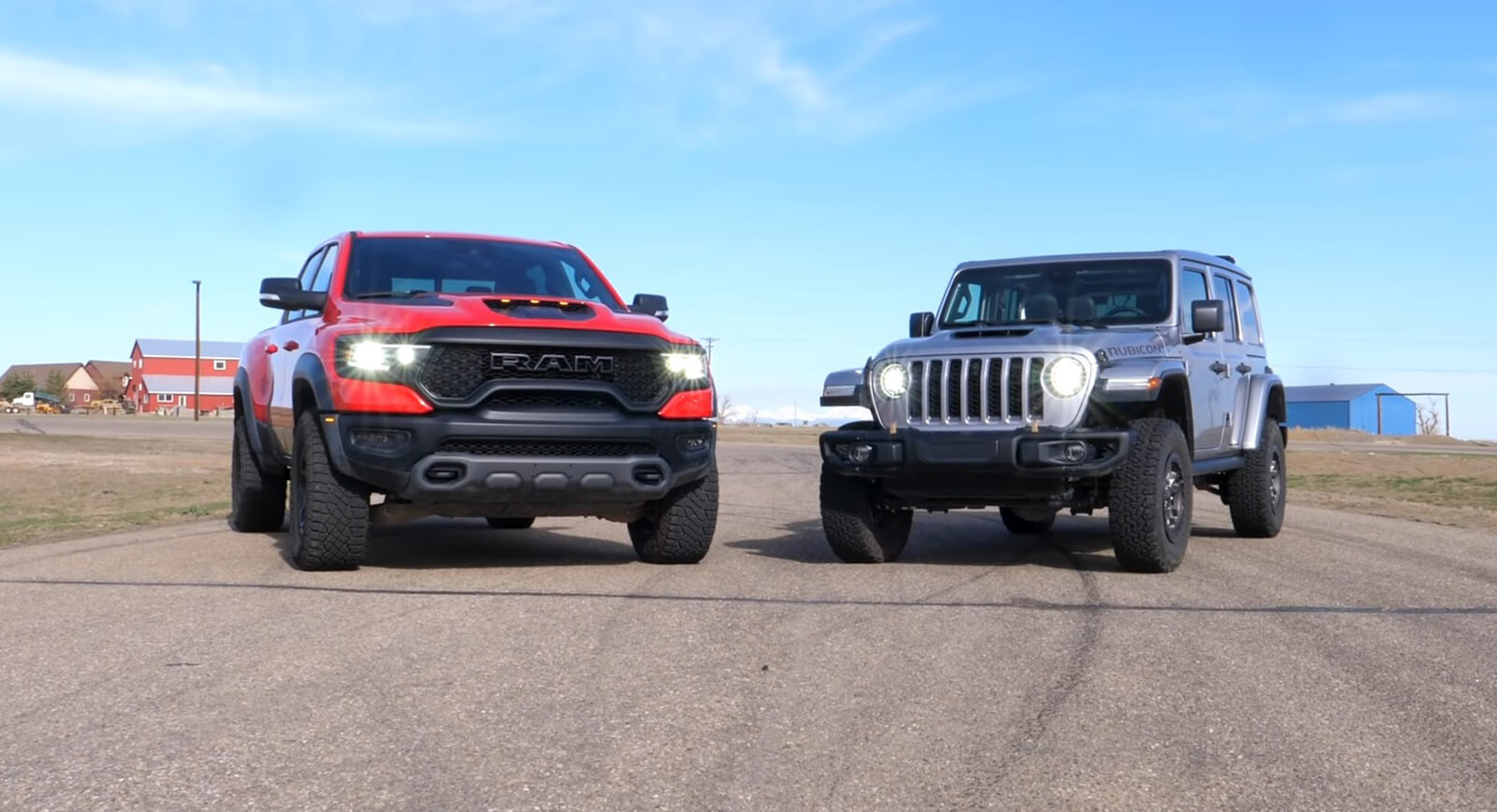
For drivers comparing Jeep SUVs and Ram trucks, financing is just as important as horsepower, towing capacity, or interior features. At McLarty Daniel Chrysler Dodge Jeep Ram, buyers across Bentonville, Rogers, Springdale, and Fayetteville often want to understand how financing differs between these two popular lineups before making a decision.
Jeep and Ram vehicles serve different purposes, and that can influence everything from loan structure to long-term value. Whether you’re considering a Jeep Grand Cherokee with a 3.6L Pentastar V6 producing 293 horsepower or a Ram 1500 equipped with the 3.0L Hurricane twin-turbo inline-six delivering up to 420 horsepower, understanding how financing aligns with your lifestyle can help you make a smarter purchase.
This guide breaks down what Northwest Arkansas buyers should know about financing Jeep versus Ram vehicles, including how usage, ownership costs, and vehicle type can affect your overall investment.
Understanding Financing Options at McLarty Daniel Chrysler Dodge Jeep Ram
While Jeep vs Ram financing depends on individual factors, many Bentonville buyers begin by evaluating their budget, driving habits, and long-term ownership goals. At McLarty Daniel Chrysler Dodge Jeep Ram, the finance team works with a network of lenders to help drivers explore loan terms that match both vehicle choice and financial priorities.
Jeep vs Ram financing often comes down to how you plan to use your vehicle, and that decision can influence:
— Loan term length and monthly payment structure
— Down payment flexibility and trade-in value
— Estimated resale value based on vehicle type
— Insurance considerations tied to vehicle size and use
— Fuel costs and long-term ownership expenses
SUV buyers may prioritize efficiency and daily comfort, while truck buyers may focus on towing capability and work-related performance. These differences naturally impact how financing should be structured.
Jeep vs Ram Financing: Vehicle Type and Usage Impact
When comparing Jeep vs Ram financing, the type of vehicle you choose plays a major role in shaping your financial plan. Jeep models are typically selected for versatility, while Ram trucks are often chosen for capability and work performance.
For example:
— Jeep Grand Cherokee offers a balance of comfort and capability with available 4x4 systems and towing capacity up to 6,200 pounds when properly equipped
— Jeep Wrangler is designed for off-road use with available Rock-Trac 4x4 systems and a 4.0:1 low-range gear ratio
— Ram 1500 provides strong towing performance exceeding 11,000 pounds when properly equipped, powered by the Hurricane engine lineup
— Ram 2500 and 3500 models are built for heavy-duty towing and commercial use
Because trucks are often used for towing, hauling, or business purposes, financing structures may differ compared to SUVs used primarily for commuting or family travel.
Cost of Ownership and Monthly Payment Considerations
The Jeep vs Ram financing decision should include a clear understanding of long-term ownership costs. Monthly payments are only one part of the equation.
Key factors that influence total cost include:
— Fuel economy differences between SUVs and trucks
— Maintenance needs based on vehicle usage
— Tire and brake wear for towing or off-road driving
— Insurance costs based on vehicle size and classification
— Resale value and long-term depreciation
For example, a Jeep Compass with a 2.0L turbocharged engine producing up to 200 horsepower may offer lower fuel costs for daily commuting, while a Ram 1500 provides higher capability for drivers who need to tow or haul regularly.
Matching your vehicle choice to your daily needs helps ensure your financing decision remains practical over time.
Lease vs Loan: Which Option Fits Your Needs?
Another important part of the Jeep vs Ram financing conversation is deciding whether to lease or purchase your vehicle.
Leasing may be a good fit for drivers who:
— Prefer lower monthly payments
— Want to upgrade vehicles more frequently
— Drive predictable annual mileage
Financing a purchase may be better for drivers who:
— Plan to keep the vehicle long-term
— Need flexibility for higher mileage use
— Want to build equity over time
Truck buyers often choose loans due to work-related usage, while SUV buyers may consider leasing depending on their driving habits. However, each situation is unique, and reviewing options with a finance professional can provide clarity.
Making the Right Financing Decision in Bentonville
Choosing between Jeep and Ram ultimately comes down to how you plan to use your vehicle and how that aligns with your financial goals. Understanding the differences in capability, efficiency, and ownership costs helps ensure your financing plan supports your lifestyle.
At McLarty Daniel Chrysler Dodge Jeep Ram, drivers can compare Jeep SUVs and Ram trucks side by side while working with the finance team to explore loan and lease options tailored to Northwest Arkansas driving conditions.
Visit McLarty Daniel Chrysler Dodge Jeep Ram to compare Jeep vs Ram financing options and schedule a test drive designed for Bentonville roads, job demands, and everyday driving needs.