



When Should You Replace Jeep Wrangler Brakes?
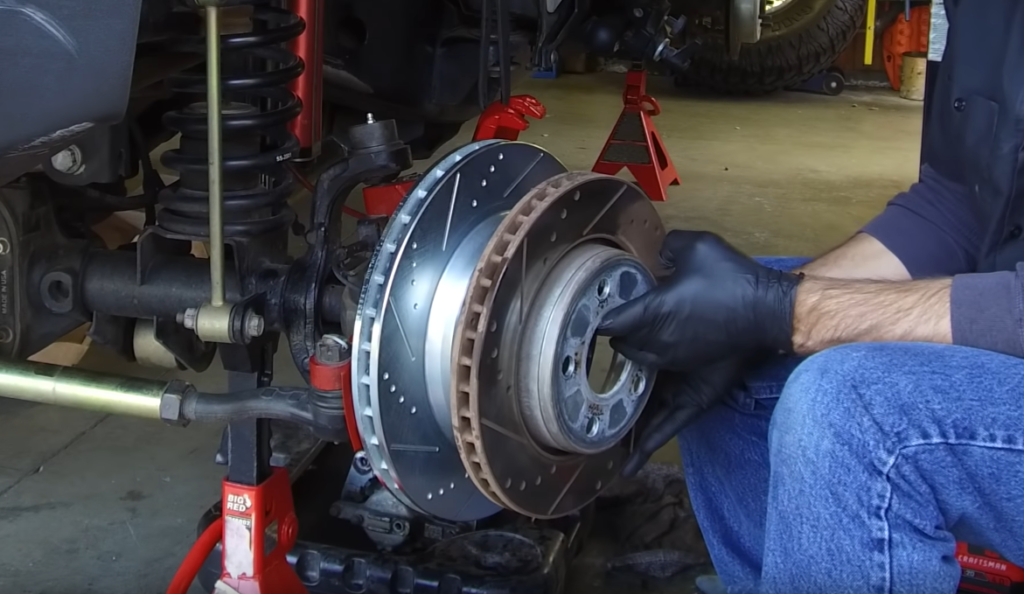
eep Wrangler brake service is especially important for an SUV designed to travel well beyond smooth pavement. Daily commuting, stop-and-go traffic, towing, steep Ozark roads, mud, water crossings, and off-road driving can all affect how quickly brake components wear. Rather than relying on one mileage number, Wrangler owners should pay attention to how their Jeep is driven and have the braking system inspected regularly.
At McLarty Daniel Chrysler Dodge Jeep Ram in Bentonville, our factory-trained technicians can inspect Wrangler brake pads, rotors, calipers, hoses, and brake fluid to determine what your Jeep actually needs. That's useful whether your Wrangler spends most of its life commuting along I-49 or regularly heads into the hills and trails of Northwest Arkansas.
Mopar recommends inspecting brake pads, shoes, rotors, drums, hoses, and the parking brake at every oil-change interval. Brake pads may commonly last somewhere around 30,000 to 70,000 miles, but driving conditions can shorten or extend that range considerably. Your Wrangler's condition should ultimately determine when replacement is necessary.
Know the Signs Your Jeep Wrangler Needs Brake Service at McLarty Daniel CDJR
Waiting for a specific mileage milestone isn't the best way to approach Jeep Wrangler brake service because brake wear varies significantly from one vehicle to another. A Wrangler used primarily for highway commuting may experience very different brake wear from a Rubicon that regularly tackles steep trails or a four-door Wrangler that frequently tows.
Fortunately, your Jeep Wrangler often provides clues when its brakes need attention. Schedule an inspection if you notice:
— Squealing or persistent high-pitched noises while braking
— Grinding or scraping sounds
— Vibration or pulsation through the brake pedal
— A brake pedal that travels farther than it previously did
— Longer stopping distances or reduced braking response
— Your Wrangler pulling to one side while braking
— A brake or ABS warning light
— Visible signs of unusual rotor or pad wear
A high-pitched squeal can sometimes come from a mechanical wear indicator designed to alert the driver as the friction material becomes thin. Grinding should be treated more urgently because severely worn pads can allow metal components to contact the rotor, potentially turning a straightforward pad replacement into a more extensive brake repair.
Jeep Wrangler Brake Service for Off-Road and Towing Use
Jeep Wrangler brake service deserves additional attention if you regularly use your SUV for the activities it was built to handle. Mud, dust, water, steep grades, towing, and repeated low-speed braking can place different demands on the system than ordinary highway driving.
For example, descending a long Arkansas grade while continuously riding the brake pedal can generate significant heat. Excessive heat can contribute to brake fade and accelerate wear. When conditions allow, appropriate transmission gearing can help control speed and reduce prolonged brake use on descents.
Off-road driving introduces other considerations. Mud, sand, stones, and other debris can reach components around the wheels and brakes. After particularly demanding trail outings or water crossings, an inspection can help identify contamination, abnormal wear, or damage before it develops into a larger problem.
Wrangler owners who tow should also be attentive to braking performance. Depending on configuration, properly equipped four-door Wrangler models can tow substantial recreational loads. Added trailer weight changes the demands placed on the entire vehicle, making proper brake condition particularly important before towing a camper, utility trailer, or recreational equipment around Northwest Arkansas.
Trust McLarty Daniel Chrysler Dodge Jeep Ram for Mopar Brake Care
A thorough Jeep Wrangler brake service involves more than simply replacing brake pads. The entire system works together, which means technicians may need to evaluate several components before recommending a repair.
A brake inspection can include:
— Measuring remaining brake pad material
— Inspecting rotors for excessive wear or damage
— Checking calipers for proper operation
— Examining brake hoses and lines
— Checking brake fluid condition and level
— Inspecting parking brake components
— Looking for uneven wear that may indicate another issue
Mopar guidance indicates that pads approaching approximately 3 mm of friction material should be replaced. Uneven pad wear can also indicate an issue such as a sticking caliper or slide pin, so simply installing new pads without determining why the old ones wore unevenly may leave the underlying problem unresolved.
Choosing a certified Jeep service center also gives your Jeep Wrangler access to technicians familiar with Jeep engineering and genuine Mopar parts designed for proper fit and performance. That's especially valuable on vehicles such as the Wrangler Sport, Willys, Sahara, and Rubicon, where tire size, off-road equipment, towing use, and driving conditions can vary considerably.
Northwest Arkansas Driving Can Affect Brake Life
How often you need Jeep Wrangler brake service depends heavily on where and how you drive. Northwest Arkansas creates an interesting combination of conditions because a single Wrangler may spend Monday through Friday commuting between Bentonville, Rogers, Springdale, and Fayetteville, then spend the weekend traveling winding roads or exploring the Ozarks.
Frequent stop-and-go driving naturally requires more braking than steady highway travel. Hilly roads add repeated descents, while towing increases the amount of weight your vehicle needs to slow. Trail driving can expose braking components to dust, mud, water, and debris.
Driving habits matter as well. Leaving more following distance and gradually slowing rather than routinely making hard stops can help reduce unnecessary brake wear. Staying current with tire maintenance is also important because your tires provide the contact with the road that ultimately allows braking forces to slow the vehicle.
There isn't one magic odometer reading that tells every Wrangler owner it's time for new brakes. Regular inspections provide a much better picture of remaining brake life and can help identify developing problems before they affect other components.
Schedule Jeep Wrangler Brake Service in Bentonville, AR
Jeep Wrangler brake service should help ensure your SUV is prepared for both sides of Wrangler ownership: everyday driving and the adventures that happen after the pavement ends. If you've noticed squealing, grinding, vibration, changes in pedal feel, or reduced stopping performance, don't wait for your next mileage milestone to have the system inspected.
The service department at McLarty Daniel Chrysler Dodge Jeep Ram provides professional Jeep maintenance and repair for drivers throughout Bentonville, Rogers, Springdale, Fayetteville, and Northwest Arkansas. Our factory-trained technicians have access to advanced diagnostic equipment and Mopar parts to help keep your Wrangler performing as intended.
Schedule your Jeep Wrangler brake service in Bentonville today, or browse current service offers before your appointment. Whether you drive a Wrangler as your daily commuter, weekend trail vehicle, or a little of both, keeping its braking system in good condition helps make sure it's ready when your next Arkansas adventure begins.